
For decades, scouting in sports relied heavily on intuition, gut feelings, and the eyes of experienced coaches. A coach could spot a player with the “right attitude” or “potential” based on practice observations and word-of-mouth. But in the last ten years, analytics has reshaped the scouting landscape entirely, introducing a data-driven lens to what was once an art more than a science.
Beyond Traditional Stats
In basketball, basic metrics like points, rebounds, and assists were long the standard. But now, advanced metrics such as Player Efficiency Rating (PER), True Shooting Percentage, and plus-minus evaluations offer deeper insights. Teams like the Golden State Warriors and Toronto Raptors use these advanced stats to predict how a player’s skill set translates into team success, not just personal numbers.
In soccer, Expected Goals (xG) and passing networks allow scouts to evaluate players beyond goals and assists. Someone who appears “ineffective” on traditional stats might actually create space, anticipate opponent moves, or improve team structure. This quantitative approach reduces bias and highlights overlooked talent.
Discovering Hidden Gems
One of the most striking examples comes from baseball, where “Moneyball” analytics famously changed scouting philosophy. Players once undervalued because they didn’t fit traditional molds—like a slower runner with exceptional on-base skills—were now highly prized. Today, teams continue to find hidden gems by analyzing hundreds of micro-statistics, from spin rate on pitches to sprint speed and launch angle.
Even in smaller leagues, analytics helps identify talent that might otherwise slip through the cracks. A midfielder in a minor European league might have an unusually high success rate in pressured passes—a trait predictive of success in bigger leagues. Scouts equipped with data can now justify taking chances on these players with more confidence.
Mental and Physical Data
Analytics isn’t limited to performance stats. Many teams are beginning to monitor mental resilience and physical load using modern technology. Wearable devices track sleep patterns, heart rate variability, and reaction times, giving coaches early warnings about fatigue or burnout. Some clubs even use surveys and cognitive tests to understand a player’s decision-making under stress.
For example, in the NFL, teams might monitor how quarterbacks respond under simulated pressure. Metrics on micro-reactions can reveal who stays calm versus who panics—valuable insight for high-stakes games. This adds a layer of objectivity that subjective observation alone can’t capture.
Reducing Risk in Drafts
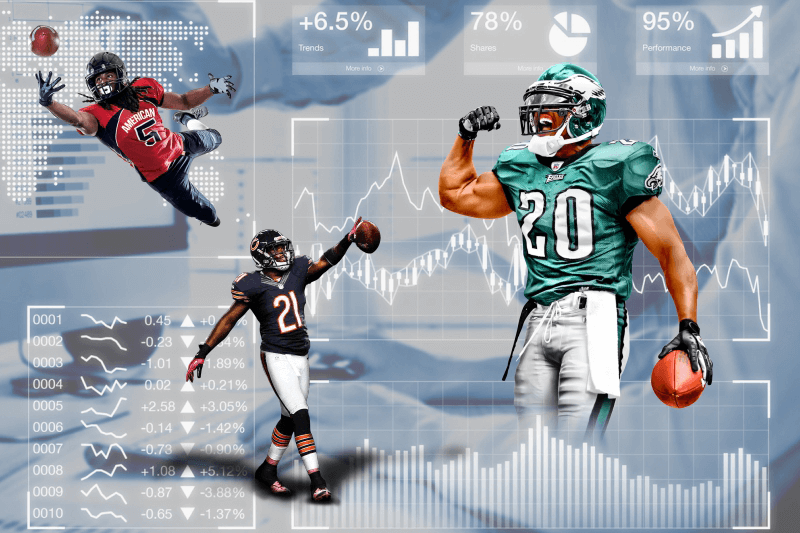
Drafting new players is expensive and risky. Analytics has introduced a framework to mitigate that risk. Using historical data, teams can model potential outcomes for draft picks based on previous players with similar traits. This has altered strategies in sports like basketball, where a top pick’s potential impact is weighed against the likelihood of injuries, adaptability, and even longevity.
It’s not foolproof. Unexpected injuries, personality clashes, or environmental changes can derail projections. But analytics gives teams a more structured way to predict which athletes are likely to thrive versus fade, reducing costly mistakes.
Blending Human Judgment with Data
Despite the rise of analytics, human judgment remains crucial. Numbers can identify patterns, but they can’t fully capture intangibles like leadership, charisma, or chemistry with teammates. The most successful organizations blend quantitative analysis with experienced scouts’ insights.
Consider the New England Patriots in the NFL—they famously use a hybrid model. Data highlights potential undervalued talent, while scouts verify intangibles like work ethic and character. Similarly, European soccer clubs increasingly combine video analysis with statistical models to get a holistic view of players.
Implications for Fans
Analytics also changes the fan experience. Fantasy sports, betting, and even casual discussions now integrate advanced metrics. Fans can debate players with more nuance than ever before—talking about Expected Assists (xA) in soccer or Usage Rate in basketball rather than just headline stats. It makes following sports more engaging and provides deeper insight into why teams make certain decisions.
Moreover, analytics creates more stories to follow. A mid-season acquisition once overlooked can suddenly become a “data darling” if models predict strong outcomes. These narratives enrich fan engagement and make the sport feel dynamic in new ways.
The Future of Scouting
As technology advances, the use of artificial intelligence and machine learning will further refine scouting. Algorithms will predict performance trends, simulate match outcomes with new players, and even evaluate off-field behavior patterns. Imagine a system that not only identifies a talented striker but predicts how they’ll react under pressure in a Champions League final.
While numbers can’t replace heart, grit, or creativity, they provide a powerful lens. Teams that master this balance—blending intuition with data—will likely dominate in the years ahead, both on the field and in the market for talent.
The rise of analytics has transformed scouting from an art rooted in experience into a science informed by data, but its true power lies in blending both. Fans, players, and coaches are now participating in a sport that’s not only faster and stronger but also smarter. The game is evolving—and understanding the hidden mathematics behind it makes every goal, basket, and touchdown feel richer.