Most people remember movies through images: iconic shots, famous faces, dramatic scenes frozen in time. But if you take the sound away—even briefly—something feels off. Emotions flatten. Tension dissolves. Meaning slips.
Sound design is one of the most invisible forces in cinema, yet it quietly shapes how we feel, what we notice, and how deeply a story stays with us. It’s not just about dialogue or music. It’s about silence, texture, rhythm, and the subtle cues that guide our emotions without asking for permission.
This is a look at how sound design works behind the scenes, why it matters more than we think, and how it has evolved into one of the most powerful storytelling tools in modern film.
Sound Is Emotional Direction, Not Decoration
Sound design isn’t there to “fill space.” Its primary job is emotional navigation.
A low-frequency hum can make a perfectly normal room feel threatening. A distant echo can suggest loneliness. A sudden drop into silence can feel louder than any explosion.
Consider how suspense films use sound. Often, the most stressful moments happen before anything visually dramatic occurs. The tension builds through audio cues—footsteps slightly out of rhythm, breathing that feels too close, environmental sounds that don’t quite align. Your brain senses danger before your eyes confirm it.
This isn’t accidental. Sound designers intentionally manipulate timing, volume, and texture to pull viewers toward specific emotional responses.
Silence Is One of the Loudest Tools
One of the biggest misconceptions is that sound design means “more sound.” In reality, silence is often the boldest choice.
Moments of near-silence force the audience to lean in. They create vulnerability. They remove emotional safety nets.
Films like No Country for Old Men famously minimize music, allowing ambient sound—or the absence of it—to carry tension. Without musical cues telling you how to feel, every scene feels unpredictable. You’re alert because you have to be.
Silence also gives weight to what comes after it. When sound returns—whether it’s dialogue, music, or chaos—it hits harder.
Sound Builds Worlds You Never Fully See
Not every part of a movie’s world can be shown visually. Sound fills in the gaps.
Off-screen noises tell us where we are and what kind of place it is. A distant siren suggests a restless city. Wind through trees suggests isolation. Layered background chatter can make a scene feel alive even if the frame is still.
Science fiction and fantasy films rely heavily on this. Entire environments are created through sound: unfamiliar machines, imagined creatures, technology that doesn’t exist. These sounds don’t just need to be convincing—they need to feel consistent.
If the sound world doesn’t make sense, the illusion breaks.
Dialogue Isn’t Always the Most Important Sound
Modern films increasingly treat dialogue as just one element in a larger audio ecosystem.
In many scenes, what characters don’t say matters more than what they do. Sound design supports this by emphasizing breath, movement, and environmental noise instead of clear speech.
Sometimes dialogue is intentionally buried or softened. This isn’t laziness—it’s realism. In real life, we don’t hear everything perfectly. Films that embrace this create a more immersive experience, even if it challenges viewers.
This approach trusts the audience. It assumes emotion can be felt without everything being explained.
Music and Sound Design Are Not the Same Thing
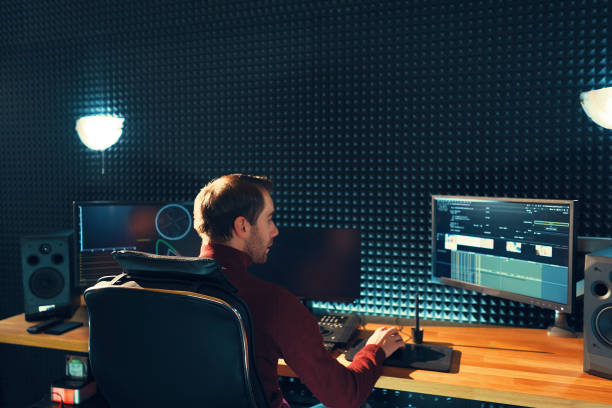
Music often gets the credit, but it’s only one part of the sound equation.
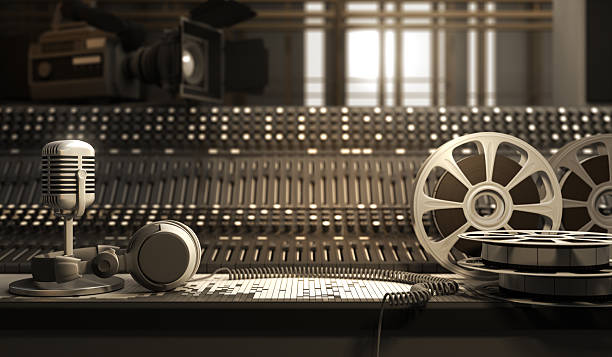
Sound design includes:
- Environmental ambience
- Foley effects (custom-recorded everyday sounds)
- Audio textures and distortions
- Transitions between silence and noise
While music tells us how to feel in broad strokes, sound design handles the micro-emotions—the unease, the anticipation, the subtle shifts in tone.
The best films make these two elements work together rather than compete.
Technology Changed Sound, But Taste Still Leads
Advances in surround sound, immersive audio, and home theater systems have expanded what sound designers can do. Viewers can now hear details that would have been lost decades ago.
But more capability doesn’t mean better results automatically.
Great sound design is still about restraint and intention. It’s about knowing when to add complexity and when to pull back. Technology amplifies choices—it doesn’t replace judgment.
Some of the most effective soundscapes are surprisingly simple, built from a few carefully chosen elements repeated with variation.
Why You Notice Bad Sound More Than Good Sound
When sound design works, you rarely notice it consciously. You just feel immersed.
When it fails, you feel disconnected. Dialogue sounds artificial. Background noise feels wrong. Emotional moments fall flat.
This invisibility is part of why sound designers don’t always get public recognition. Their success lies in not drawing attention to themselves.
Ironically, that makes their work even more powerful.
Listening Changes How You Watch Movies
Once you become aware of sound design, movies feel different. You start noticing:
- How scenes transition through audio instead of visuals
- How silence signals emotional shifts
- How tension is built long before anything happens
It’s like discovering a second layer of storytelling that was always there.
Sound doesn’t just support the image. In many cases, it leads it.
Movies may be visual by nature, but sound is what gives them depth, weight, and emotional memory. Long after specific images fade, a certain tone, rhythm, or moment of silence can still linger.
Next time a film pulls you in without you knowing why, don’t just watch. Listen.