
We love sports for their drama—victories, comebacks, impossible moments that defy logic. Yet, for every winner, there’s always someone walking off the field in silence. Losing is the half of sports we rarely celebrate, but maybe it’s the half that teaches us the most.
The Beauty Hidden in Defeat
Most people remember the champions—the ones who lift trophies, cry on podiums, and carve their names into history. But ask any athlete, and they’ll tell you the truth: the real work happens in the losses.
After all, what’s Michael Jordan without his missed shots? What’s Serena Williams without those matches where her body refused to cooperate? Their greatness wasn’t built from the highlight reels—it was shaped in locker rooms after devastating defeats, when they had to face themselves and decide what comes next.
Losing doesn’t just build character; it reveals it.
When Failure Becomes a Skill
In sports, you can’t avoid failure—it’s statistical. A baseball player who hits .300 is considered elite, even though he fails seven out of ten times. A basketball player who makes 45% of their shots is a superstar. Losing, missing, and falling short aren’t exceptions; they’re the foundation.
This creates a unique mindset among athletes: they learn to process failure as feedback, not identity. They look at losses the way scientists look at data—dispassionately, analytically.
That’s something most of us could use off the field, too. In everyday life, failure still feels final, shameful. But in sports, it’s built into the rhythm of progress. You fail, you adjust, you go again.
The Culture of Blame vs. the Culture of Growth
Fans love to analyze losses—who missed the shot, who made the wrong call, who didn’t run fast enough. The media amplifies this blame cycle until losing feels like moral failure. But inside locker rooms, the tone is different.
Athletes dissect failure together. They look at footage, reframe what happened, and often find humor in it. That shared vulnerability builds trust and mental resilience.
Contrast that with workplaces or social media, where mistakes are met with public shaming or silence. Sports, in that sense, might be one of the few environments left that normalizes failing publicly and recovering with dignity.
Famous Failures That Became Turning Points
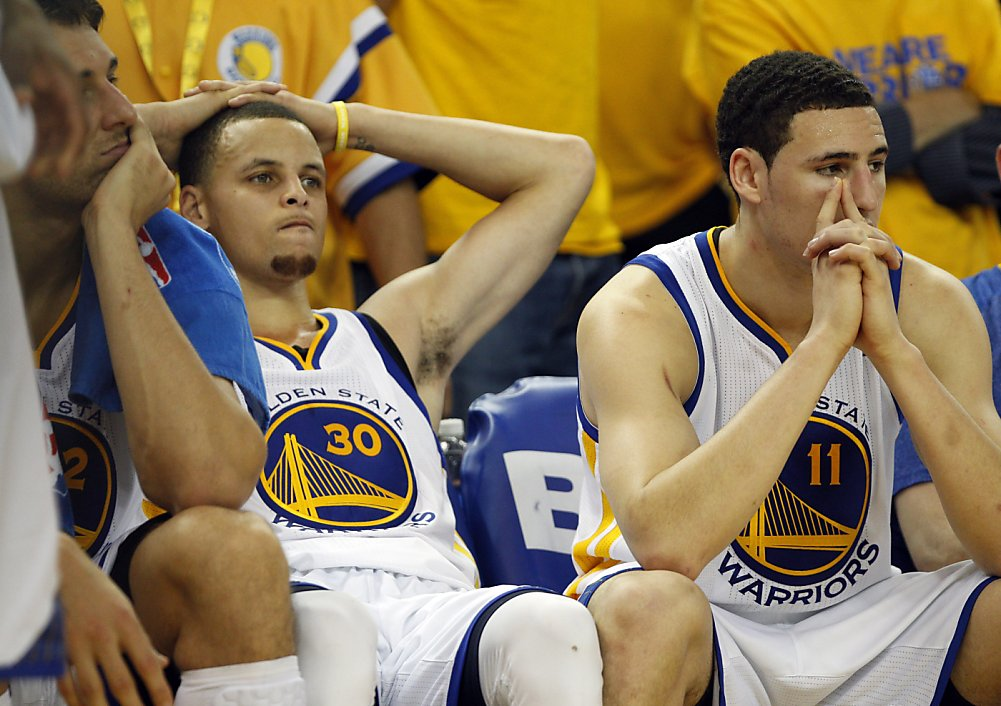
Some of the most iconic careers in sports were defined not by wins, but by how athletes responded to losses.
- Roger Federer, once known for emotional outbursts, transformed his temperament after painful early defeats. That change led to two decades of consistent excellence.
- Simone Biles, by choosing to withdraw from Olympic events to prioritize her mental health, redefined what “strength” looks like in modern sports.
- The 2016 Golden State Warriors, after blowing a 3–1 lead in the NBA Finals, used that heartbreak as fuel to build a dynasty that reshaped basketball strategy.
Each example proves that losing isn’t the opposite of winning—it’s part of it.
When Fans Learn to Lose, Too
What often goes unnoticed is that fans have their own relationship with loss. Whole communities learn emotional management through sports. When a beloved team collapses, fans mourn, rant, and eventually regroup for the next season. It’s a collective rehearsal for life’s inevitable disappointments.
The language of sports—“rebuilding year,” “trust the process,” “next game”—is a coded form of optimism. It teaches perseverance in disguise.
Maybe that’s why, deep down, we keep watching even when we know our team won’t win it all. We’re not just hoping for victory; we’re practicing how to hope after defeat.
Rewriting the Story of Failure
If we reframed losing the way athletes do, how would that change us? What if failure wasn’t humiliation but information—something to refine, not erase?
Sports give us a script for that mindset. The post-game interviews, the slow walk back to the bench, the quiet handshake—they’re rituals of resilience. Losing gracefully isn’t just etiquette; it’s philosophy.
We live in a world obsessed with highlight reels and success stories. But the truth is, every great champion, every team, every fan has learned to live with defeat. Maybe that’s why sports feel so universal—they remind us that being human means trying again after the scoreboard says you’re done.
In the end, losing well might just be the most underrated skill in life.