Have you ever watched a movie scene and suddenly felt chills down your spine—or tears welling up—without quite knowing why? Chances are, it wasn’t just the acting or cinematography. It was the music.
Movie soundtracks work like invisible emotional engineers. They build tension before we even realize danger is coming, make us laugh harder at comedic beats, and turn ordinary moments into cinematic memories. Yet, we rarely pay attention to how deeply those scores guide our emotions.
When Music Becomes a Character
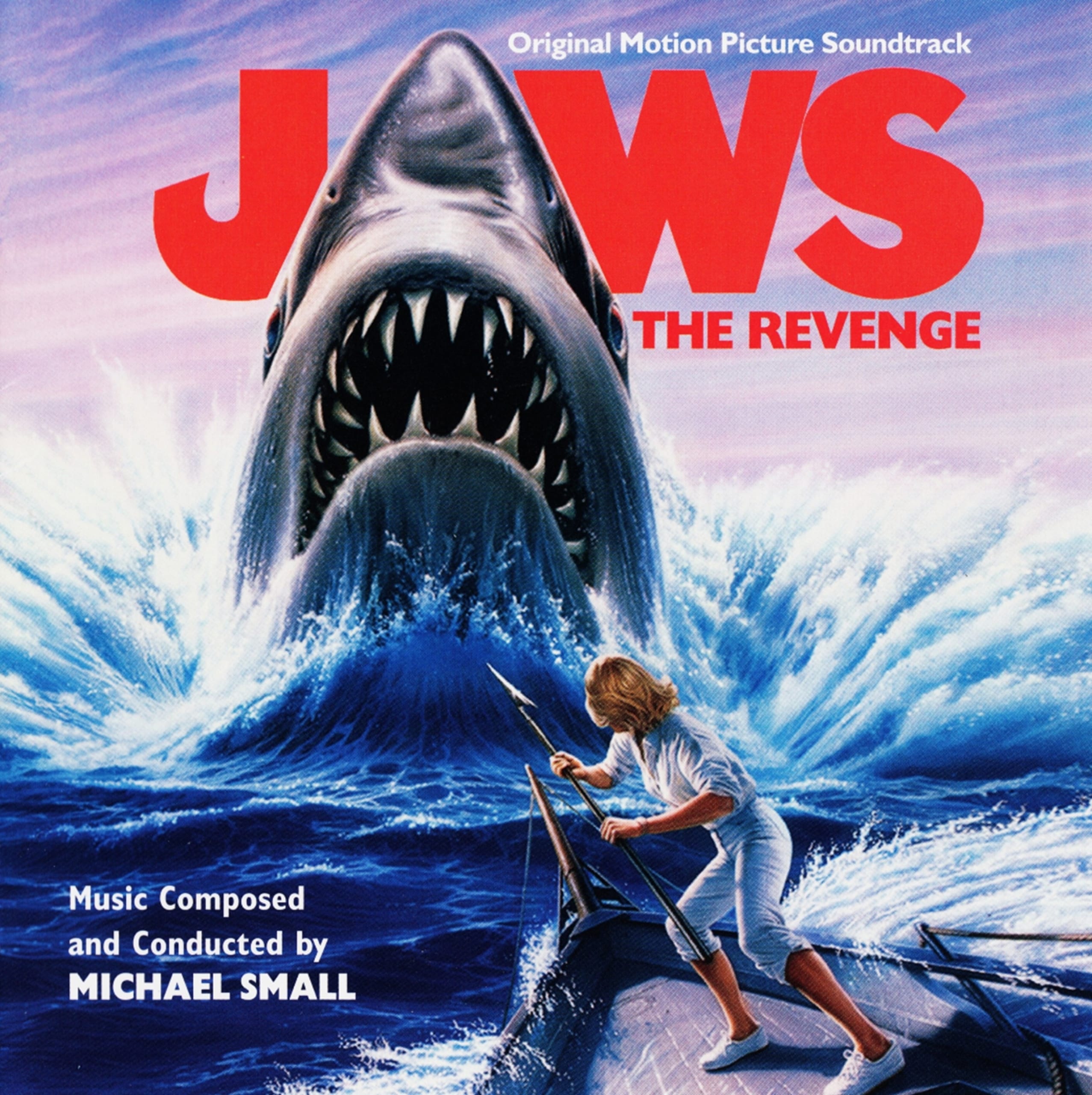
Think of Jaws. Before we even see the shark, the two-note motif—da-dum, da-dum—triggers dread. John Williams didn’t just write a theme; he created an auditory character. The shark’s presence became musical.
Or consider Inception, where Hans Zimmer’s score doesn’t just accompany the dreamlike visuals—it manipulates time itself. The slowed-down Non, Je Ne Regrette Rien becomes the backbone of the film’s layered reality. It’s as if the music controls the narrative structure as much as the script does.
Music, in these moments, isn’t background—it’s agency. It leads us through emotional terrain as clearly as dialogue or plot twists.
Emotional Shortcuts and Memory Hooks
Humans are wired to associate sound with feeling. A swelling orchestra can make even a simple reunion feel epic. A single piano note can convey loneliness more effectively than lines of dialogue.
That’s why Titanic’s “My Heart Will Go On” still echoes in our collective memory decades later. The melody isn’t just tied to the movie—it’s tied to how the movie made us feel. When we hear it now, we’re not just recalling a song; we’re reliving the emotional climax of Jack and Rose’s story.
The same goes for the Rocky theme. You could be lacing up your shoes for a run, and those first few notes instantly inject adrenaline. That’s musical conditioning—cinema shaping behavior in the real world.
The Hidden Work of Silence
Ironically, one of the most powerful tools in film music is the absence of it. Strategic silence can amplify realism, tension, or discomfort.
In No Country for Old Men, the Coen brothers stripped away nearly all background music, forcing the audience to sit in the raw anxiety of every sound—the wind, footsteps, a gun’s click. The silence makes the violence hit harder, the fear more palpable.
This restraint reminds us that music isn’t about constant presence; it’s about contrast. When used wisely, silence becomes part of the rhythm, an emotional exhale before the next surge.
Composers as Storytellers
Modern composers are increasingly taking narrative control. Take Hildur Guðnadóttir, who won an Oscar for Joker. Her cello-heavy, almost oppressive score shaped Arthur Fleck’s descent into chaos more intimately than any line of dialogue. She reportedly wrote parts of the music before scenes were even shot, allowing Joaquin Phoenix to perform to the music.
Similarly, Trent Reznor and Atticus Ross (The Social Network, Gone Girl) blur the line between ambient sound and score. Their music feels like thought patterns—a psychological underscore that seeps into the viewer’s subconscious.
It’s storytelling by vibration.
The Streaming Era Shift
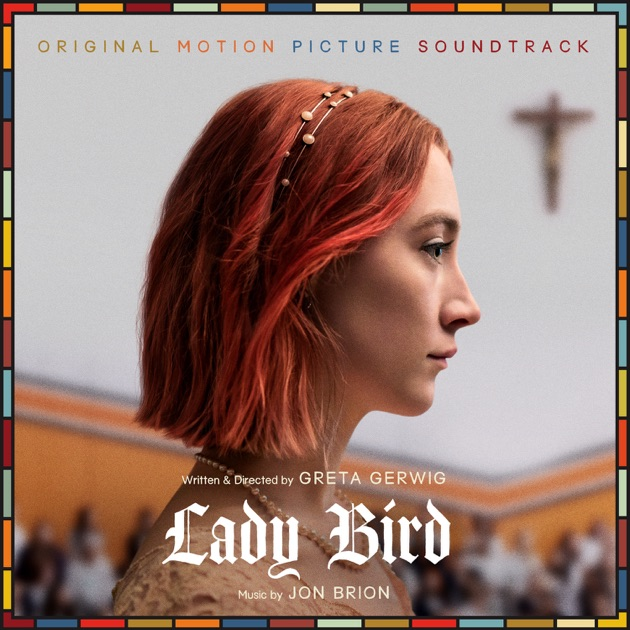
Streaming has changed how audiences consume film music. With soundtracks available instantly on platforms like Spotify, songs are now part of a film’s afterlife. Listeners relive scenes on commutes, workouts, or study sessions, giving soundtracks a second cultural wave.
But there’s a flip side. Because of algorithmic pressure, some modern films rely on pop tracks or “Spotify-core” soundscapes that sound interchangeable. The emotional precision of older film scores can get diluted when music becomes generic mood-setting rather than story-telling.
Still, there’s hope in the indie scene. Directors like Greta Gerwig (Lady Bird, Barbie) and Barry Jenkins (Moonlight) use music not as filler but as emotional dialogue, curating tracks that reflect specific character identities rather than broad appeal.
Why It Matters
Film music trains us to listen emotionally, not just audibly. It teaches us that feelings can be communicated without words, that anticipation can be built without images.
When done right, it transcends cinema—it becomes part of who we are. Many people’s most intimate memories, from heartbreak to triumph, are scored by movie music they didn’t write but somehow feel they own.
So next time you’re watching a film, close your eyes for a second. Listen—not to the dialogue, but to the mood humming underneath. You might realize the real storyteller isn’t the actor on screen, but the unseen composer behind the curtain.