Injuries are part of every athlete’s life, but the ways teams, trainers, and medical staffs handle recovery have changed dramatically. Modern injury recovery is a science that blends biomechanics, nutrition, psychology, and technology. The result? Shorter downtimes, fewer re-injuries, and more predictable returns to play. If you’ve ever wondered why some athletes bounce back stronger while others struggle for months, the answer often lies in the recovery plan behind the scenes.
Understanding the Injury Cycle
Recovery isn’t a single action — it’s a process with distinct phases:
- Acute phase (first 48–72 hours): control swelling, pain, and prevent further damage. RICE (rest, ice, compression, elevation) used to be gospel; now protocols are often more nuanced, with early controlled movement encouraged depending on the injury.
- Repair phase: tissue healing occurs. This phase is when nutrition and gentle progressive loading matter most.
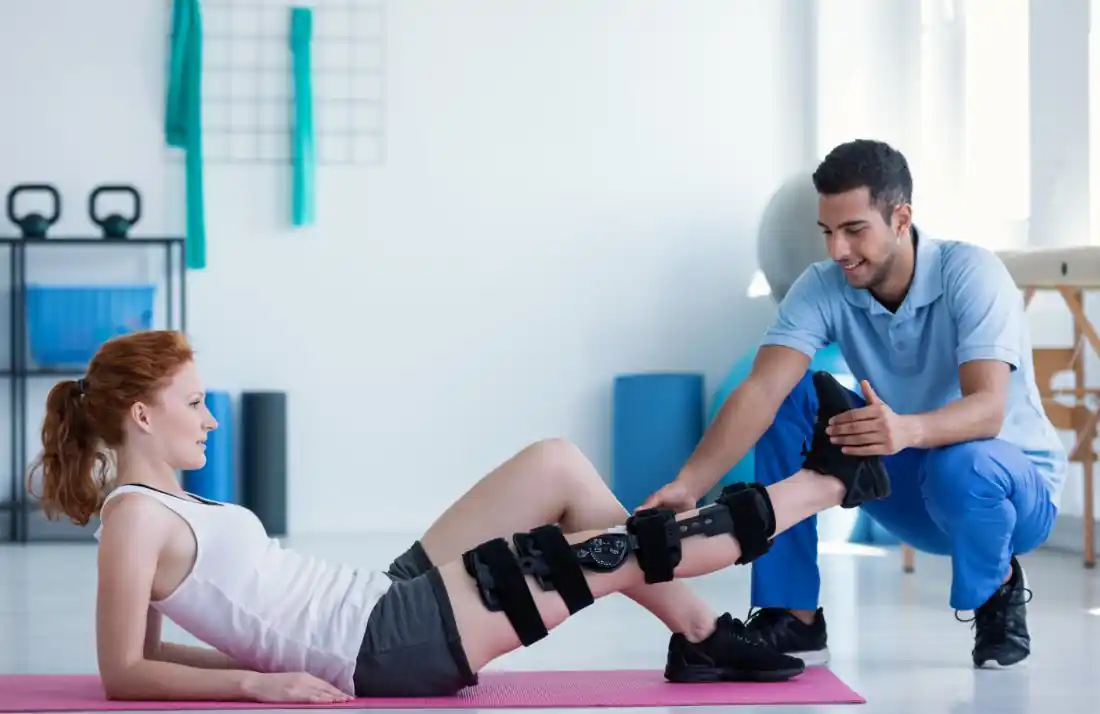
- Reconditioning: rebuilding strength, flexibility, and sport-specific movement patterns.
- Return-to-play: a staged, criteria-based process that assesses physical readiness, psychological confidence, and functional performance.
Teams that treat recovery as staged and measurable tend to avoid rushed returns that lead to re-injury.
Technology That Changes the Game
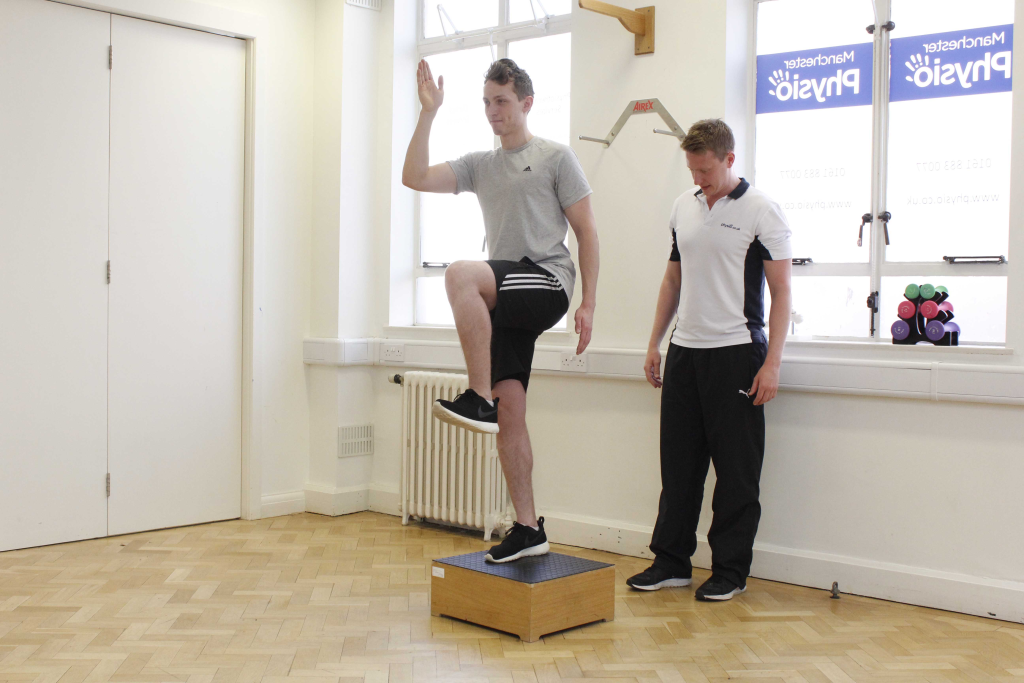
Sports medicine now leverages tech in ways unimaginable a decade ago:
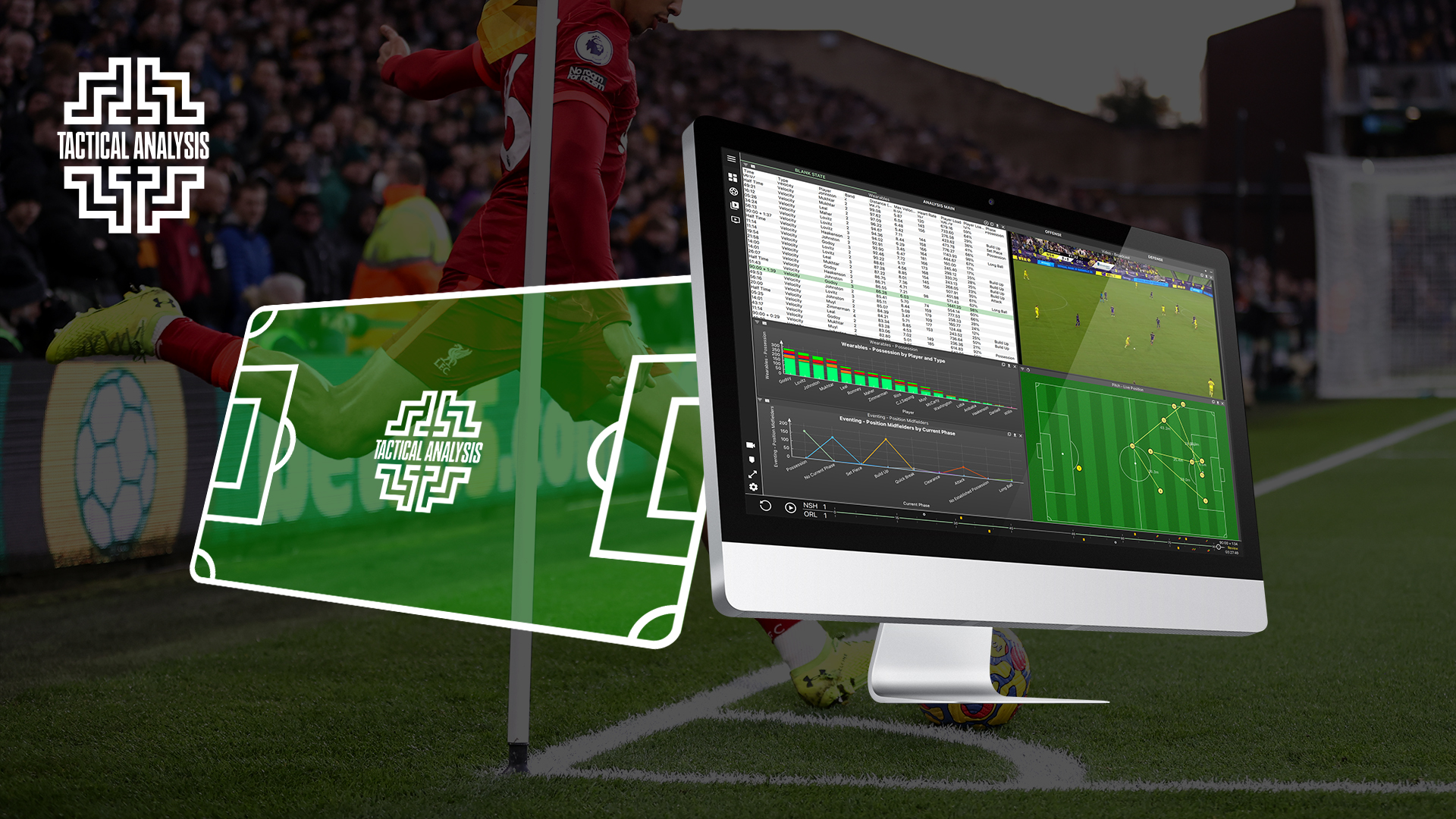
- Wearable sensors monitor load (distance run, accelerations, decelerations) so trainers can spot overload before it becomes an injury. Soccer and rugby clubs use this constantly.
- Motion-capture and force-plate analysis reveal asymmetries in movement patterns that might predispose an athlete to hamstring or ACL injuries.
- Blood biomarkers and point-of-care testing can indicate inflammation or metabolic stress, helping customize rehab timelines.
- Regenerative approaches (PRP, stem-cell–adjacent therapies) are used selectively to accelerate healing in tendon or cartilage issues — though evidence varies and decisions are case-by-case.
These tools convert guesswork into data-driven decisions.
The Role of Nutrition and Sleep
Healing tissues and rebuilding performance require raw materials — and timing matters.
- Protein and anti-inflammatory nutrients: adequate protein (spread across the day) supports muscle and tissue repair. Omega-3s and certain flavonoids help regulate inflammation without blunting adaptation.
- Energy availability: athletes must avoid caloric deficits during rehab; inadequate energy slows healing and (ironically) increases injury risk.
- Sleep: recovery hormone cycles happen during deep sleep. Sleep disruption after injury is common, so sleep coaching and hygiene become part of the rehab program.
A surprising study of pro athletes showed those who optimized sleep during rehab returned to performance benchmarks faster than those who didn’t.
Psychology: The Often-Missed Factor
Physical healing can be quick; mental recovery can lag.
- Fear of re-injury is real and influences movement patterns. Athletes may hold back subconsciously, exposing other structures to new risk.
- Confidence rebuilding uses graded exposure — simulated practice, then live drills, then competitive minutes — to rebuild trust in the body.
- Sports psychologists often work alongside physiotherapists to address motivation, anxiety, and identity challenges during lengthy rehabs.
Teams that integrate mental training reduce performance drop-offs after return.
Real-World Example
Consider elite soccer players with ACL injuries. Traditionally, return timelines were long and inconsistent. Today, clubs using objective metrics (strength symmetry > 90%, hop tests, movement quality) and psychological readiness assessments see lower re-injury rates and better long-term returns. Some players now come back and perform at or above pre-injury levels faster — not because medicine got “magical,” but because recovery became systematic.
Practical Takeaways for Every Athlete
- Treat recovery as a staged protocol, not a calendar countdown.
- Use objective measures: strength tests, movement screens, and load monitoring.
- Prioritize sleep, adequate calories, and protein.
- Don’t underestimate psychology; rebuild confidence with graded exposure.
- Seek multidisciplinary teams — physio, strength coach, sports dietitian, sports psychologist — for best outcomes.
Recovery isn’t a passive waiting period; it’s active, scientific, and strategic. When teams treat it that way, athletes heal smarter and come back stronger.