Sports have long reflected societal divisions, and for decades, certain games were viewed as “male-only domains.” Yet today, women are pushing back against those limits, excelling in arenas where they were once sidelined. From football to motorsports, these trailblazers are not just competing—they’re reshaping how the world views athletic ability.
Football (Soccer) and Global Visibility
Soccer remains the world’s most popular sport, and women have forced their way into the spotlight:
- Case Example: The U.S. Women’s National Team (USWNT) not only won multiple World Cups but also led the fight for equal pay, securing a landmark agreement with U.S. Soccer in 2022. Their off-pitch activism was just as impactful as their dominance on the field.
- Breaking Club Barriers: In 2019, Ada Hegerberg became the first-ever Ballon d’Or Féminin winner, proving women’s technical brilliance deserved equal recognition. Clubs like Barcelona Femení now regularly fill large stadiums, once reserved exclusively for men’s games.
- Grassroots Impact: Countries like England and Spain have launched national programs to boost participation, showing how success at the elite level trickles down to inspire young girls.
American Football and Contact Sports
For years, American football was considered untouchable by women athletes. That perception is changing:
- On the Sidelines: In 2020, Katie Sowers became the first female coach to appear in a Super Bowl, working as an offensive assistant for the San Francisco 49ers. Her visibility shattered stereotypes in one of the most male-dominated sports.
- On the Field: Women’s tackle football leagues like the Women’s Football Alliance (WFA) are gaining attention, with teams such as the Boston Renegades showcasing skill and intensity that challenge assumptions about physicality.
- Symbolic Shifts: The NFL now integrates women into officiating, with Sarah Thomas making history as the first woman to officiate a Super Bowl in 2021.
Motorsports and Racing
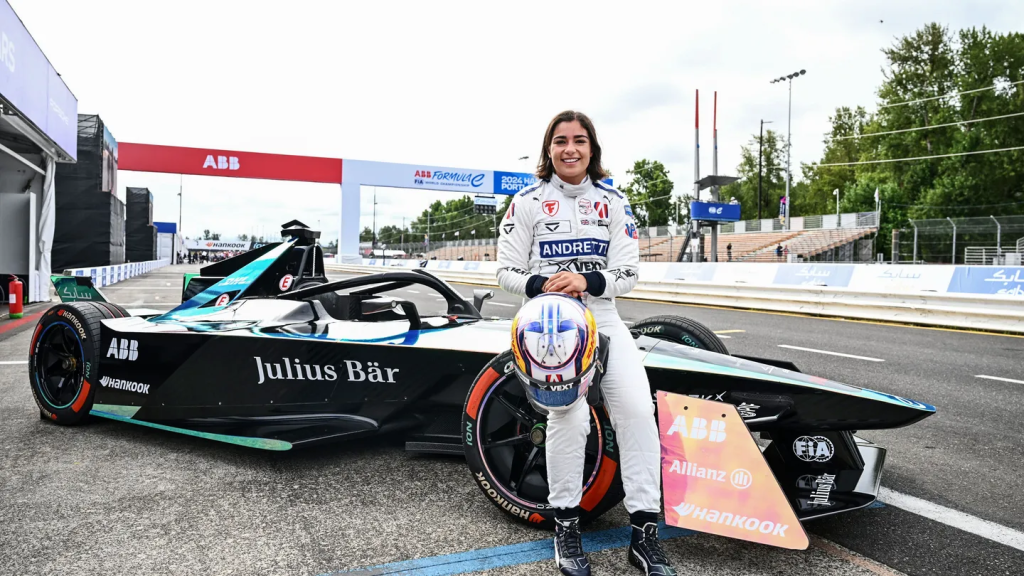
Speed and engineering have historically been framed as male pursuits, but women racers continue to challenge the narrative:
- Formula 1 Hurdles: While no woman has started an F1 race since the 1970s, initiatives like the W Series (a women-only racing league) are building pathways for female drivers. Jamie Chadwick, a three-time W Series champion, is now competing in Indy NXT, a key step toward breaking into F1.
- Breaking into NASCAR: Danica Patrick made headlines as one of the most successful women in American open-wheel racing, showing that gender doesn’t dictate competitive grit.
- Engineering Contributions: Women are also entering technical and engineering roles in motorsports, broadening influence beyond the driver’s seat.
Combat Sports and Martial Arts
Combat sports amplify physical strength and resilience, and women have proven they belong:
- Mixed Martial Arts (MMA): Ronda Rousey was the first woman signed to the UFC, and her dominance helped legitimize women’s MMA on a global scale. Today, fighters like Amanda Nunes and Valentina Shevchenko headline major events, drawing pay-per-view numbers that rival men’s bouts.
- Boxing Recognition: Claressa Shields, a two-time Olympic gold medalist, is redefining women’s boxing with unmatched skill and charisma. Major networks now broadcast women’s championship bouts in prime time, a shift unthinkable two decades ago.
- Cultural Impact: These fighters aren’t just athletes—they’re cultural icons proving that women’s aggression and discipline belong in the ring as much as men’s.
Barriers Beyond the Field
It’s not just about athletic skill; structural issues also shape opportunities:
- Media Coverage: Studies show women’s sports still receive less than 10% of total sports media coverage, despite rising fan engagement. Female athletes often rely on social media to control their narratives.
- Sponsorship Gaps: Brands are slowly catching up, with Nike and Adidas investing more in women athletes. Yet the pay disparities remain significant in many leagues.
- Cultural Resistance: In countries where traditional gender roles are still deeply ingrained, women athletes face criticism for pursuing competitive sports at all.
Why This Matters
These breakthroughs matter because they don’t just expand opportunities for women—they reshape entire sports cultures. When girls see role models like Megan Rapinoe, Serena Williams, or Naomi Osaka, they recognize that excellence isn’t gendered. Barriers, once thought immovable, become temporary obstacles.
Sports thrive when talent is the only qualifier, and the steady dismantling of gender-based divisions brings the world closer to that ideal.