You might not always notice it, but the soundtrack of a movie is doing more than just filling silence—it’s guiding your emotions, framing tension, and sometimes even telling a story that dialogue cannot. From subtle background cues to full orchestral pieces, soundtracks have the power to transform a scene from ordinary to unforgettable.
Music as Emotional Shortcut
Imagine a scene where a character walks alone in a dimly lit alley. Without music, it might feel neutral or even mundane. Add a low, pulsing drone, and suddenly every shadow feels threatening. That’s the magic of a well-crafted score—it primes the audience’s emotional response instantly.
A prime example is Jaws. John Williams’ iconic two-note motif signals danger before the shark even appears. It’s not just suspenseful; it trains the audience to react physically, raising heart rates and heightening tension. Directors often rely on this effect to manipulate pacing and attention.
The Unseen Narrator
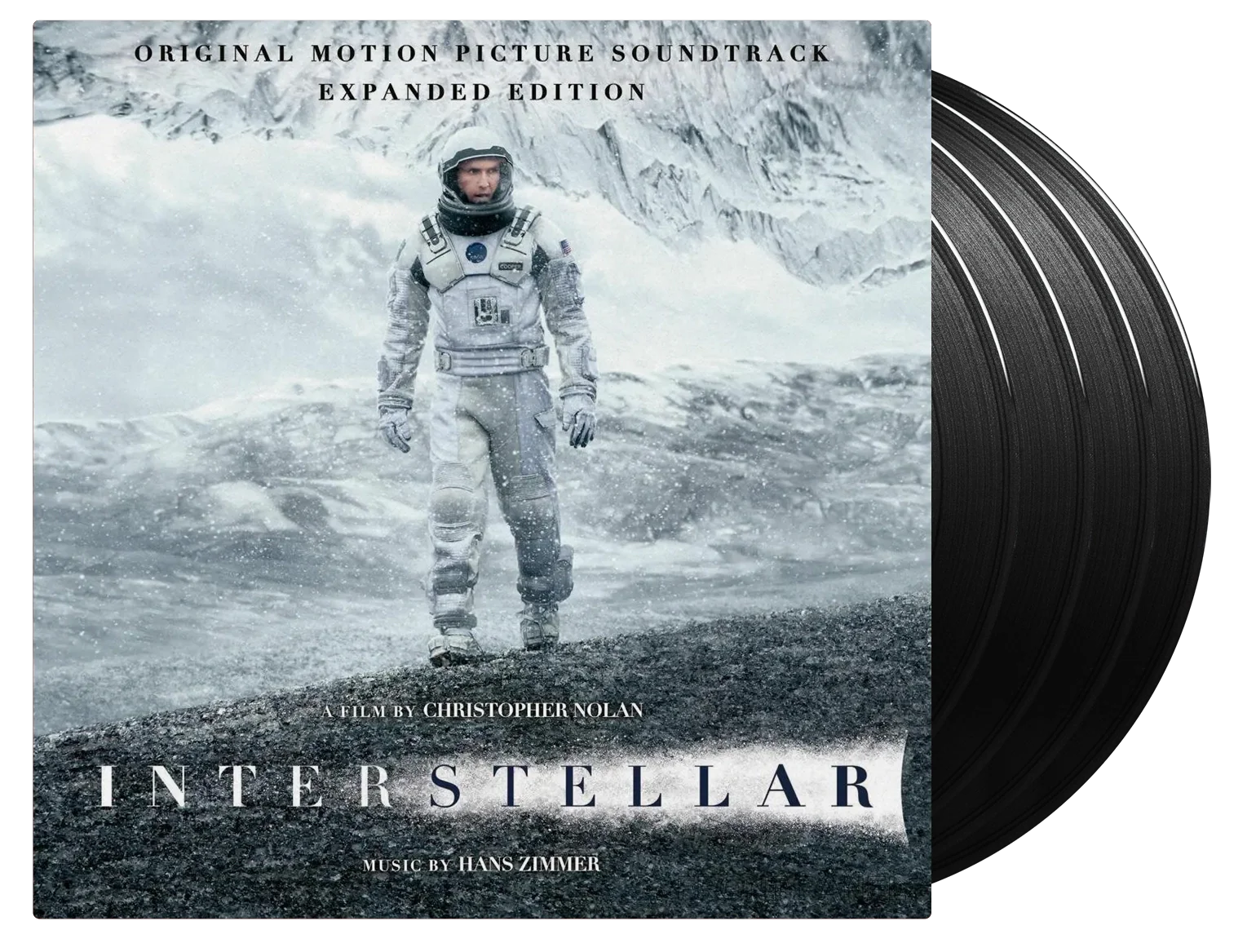
Soundtracks often serve as a narrator that isn’t constrained by words. In Inception, Hans Zimmer’s score blurs time and reality, complementing the film’s complex narrative structure. Similarly, in animated films like Coco, music communicates cultural context and emotional depth in ways dialogue alone could never achieve.
Film scores can even redefine characters. Think about Darth Vader’s theme in Star Wars. That ominous, resonant motif instantly conveys presence, power, and menace, even when the character is off-screen. Music becomes a character in its own right.
Genre Expectations and Subversion

Soundtracks can also set or subvert audience expectations. Horror films often use silence or minimal tones to unsettle viewers. Comedies might employ upbeat or ironic musical cues. Filmmakers sometimes break conventions intentionally—using cheerful music during a dark scene can create tension or satire.
Take Baby Driver. Edgar Wright syncs nearly every action to the soundtrack, turning a heist film into a rhythmic experience. The music doesn’t just accompany the story—it drives it. Audiences subconsciously follow beats, crescendos, and pauses, experiencing heightened immersion.
Cultural and Emotional Resonance
Soundtracks also carry cultural resonance. Films like Black Panther use music to reinforce world-building, blending traditional African instrumentation with modern hip-hop elements. This isn’t just style—it evokes heritage, identity, and emotion simultaneously.
For international audiences, music can bridge language gaps. A powerful score can elicit laughter, fear, or tears even when dialogue is foreign. Studio Ghibli films, for example, rely heavily on Joe Hisaishi’s compositions to communicate the emotional heart of the story to viewers worldwide.
The Composer-Director Dynamic
Behind every memorable soundtrack is a collaboration between director and composer. Directors provide narrative vision, while composers interpret it through melody, harmony, and rhythm. Some collaborations, like Steven Spielberg and John Williams, have created scores so integral to film identity that the movies feel incomplete without them.
In modern cinema, composers often experiment with unconventional instruments or digital soundscapes to create unique atmospheres. Trent Reznor and Atticus Ross, for example, turned electronic minimalism into a storytelling device in films like The Social Network, demonstrating that music can redefine the cinematic language entirely.
Soundtracks and Viewer Memory
Interestingly, audiences often remember music more vividly than plot points. A catchy theme or emotional motif can trigger nostalgia or recollection long after the credits roll. This connection is why streaming platforms and physical media invest in soundtrack releases—they extend the movie experience beyond the screen.
Even trailers, which are sometimes criticized for being over-reliant on music, show how crucial sound is for immediate emotional impact. Audiences can feel suspense, joy, or excitement in 90 seconds, largely because of expertly chosen tracks.
DIY Film Fans and the Influence of Scores
With the rise of indie filmmaking, even small-budget directors are leveraging music to punch above their weight. Digital libraries and affordable licensing make it possible to create atmospheric scores without a full orchestra. Aspiring filmmakers learn quickly that sound design and music often dictate the emotional resonance of their work, sometimes more than visuals.
It’s also changing how audiences consume media. Fans create playlists inspired by films, turning the score into a standalone experience. In some cases, the soundtrack itself achieves cultural impact comparable to the movie—think of Guardians of the Galaxy, where 1970s pop songs became a defining element of the franchise.
Ultimately, film soundtracks are far more than decorative background—they shape narrative, define emotion, and influence audience memory. They can heighten tension, deepen empathy, and even transform ordinary scenes into cinematic masterpieces. The next time you watch a film, pay attention to what you hear as much as what you see. That music might be doing the work you didn’t even realize you were feeling.