
Introduction
Achieving peak athletic performance isn’t just about skill, training, or strategy—what you eat plays a crucial role. Nutrition impacts energy, endurance, muscle recovery, and even mental sharpness. While professional athletes understand that diet can make or break their performance, many casual athletes underestimate its importance. Learning how food affects your body can help anyone perform at their best, whether in the gym, on the track, or during weekend sports.
Fueling Your Body with the Right Nutrients
Not all calories are created equal. For optimal performance, athletes need a balance of macronutrients that provide sustained energy and support recovery.
Carbohydrates
Carbs are the primary energy source for high-intensity exercise. Complex carbohydrates such as oats, brown rice, and sweet potatoes deliver steady energy. Long-distance runners, for instance, often “carb-load” before races to maximize glycogen stores and maintain endurance throughout the event.
Protein
Protein is essential for muscle repair and growth. Lean meats, fish, eggs, and plant-based sources like lentils help athletes recover after intense training. Professional basketball teams often include protein-rich meals after games to accelerate muscle recovery.
Healthy Fats
Foods like avocados, nuts, and olive oil support hormone regulation and sustained energy, particularly during long-duration sports such as soccer or cycling.
Balancing these macronutrients ensures consistent energy and avoids crashes caused by sugary or heavily processed foods.
Hydration and Electrolytes

Staying hydrated is just as important as what you eat. Even mild dehydration—losing just 2% of body weight—can reduce endurance, slow reaction time, and increase injury risk.
- Water intake: Athletes should drink before, during, and after exercise.
- Electrolytes: Sodium, potassium, and magnesium are lost through sweat. Electrolyte-rich drinks or snacks help maintain fluid balance and prevent cramps. For example, Tour de France cyclists rely on electrolyte beverages to sustain performance over long stages.
Proper hydration strategies often separate elite athletes from the rest of the pack.
Timing Your Meals for Maximum Performance
When you eat can be just as important as what you eat.
- Pre-workout meals: Eating 2–3 hours before activity, with a balance of carbs, protein, and a small amount of fat, provides steady energy.
- During exercise: Endurance athletes may benefit from energy gels or snacks to maintain blood sugar levels. Soccer players often eat energy bars during halftime to stay sharp for the second half.
- Post-workout recovery: Meals rich in protein and carbohydrates help replenish glycogen and repair muscles. Chocolate milk is surprisingly popular among athletes for its ideal carb-to-protein ratio.
Strategic meal timing reduces fatigue and speeds up recovery.
Supplements: Helpful or Hype?
Many athletes turn to supplements, but their effectiveness varies.
- Evidence-based supplements: Creatine, whey protein, and caffeine are scientifically proven to enhance performance or recovery.
- Caution: Relying on unregulated supplements can be harmful and may even violate sports regulations.
Professional swimmers, for instance, often use whey protein shakes after training to promote muscle recovery while controlling calorie intake.
Vegetables and Acid-Base Balance
Vegetables provide essential vitamins, minerals, and help maintain the body’s acid-base balance.
- Acid-base balance: Excess acidic foods like grains, nuts, and meats can increase fatigue. Alkaline foods such as leafy greens, fruits, and legumes help neutralize acidity and support recovery.
- Vitamins and minerals: Carrots provide vitamin A for eye health, B vitamins assist energy metabolism, and minerals like potassium and magnesium regulate nerves and muscle function.
A well-structured diet maximizes energy, performance, and recovery.
Nutrition Strategies for Swimmers
Swimming demands high energy expenditure, especially during intense training in cooler water.
- Calorie intake: Swimmers may require 3,000–6,000 calories per day, primarily from carbohydrates at 2.3–3.6 grams per pound of body weight.
- Protein and fat: Protein needs are around 0.55–0.8 grams per pound, and fat at least 0.45 grams per pound, favoring healthy sources like nuts and plant oils.
- Supplements: Standardized multivitamins and mineral complexes help meet nutritional needs during peak training.
A well-planned diet supports consistent performance and endurance throughout the competitive season.
Real Athlete Examples
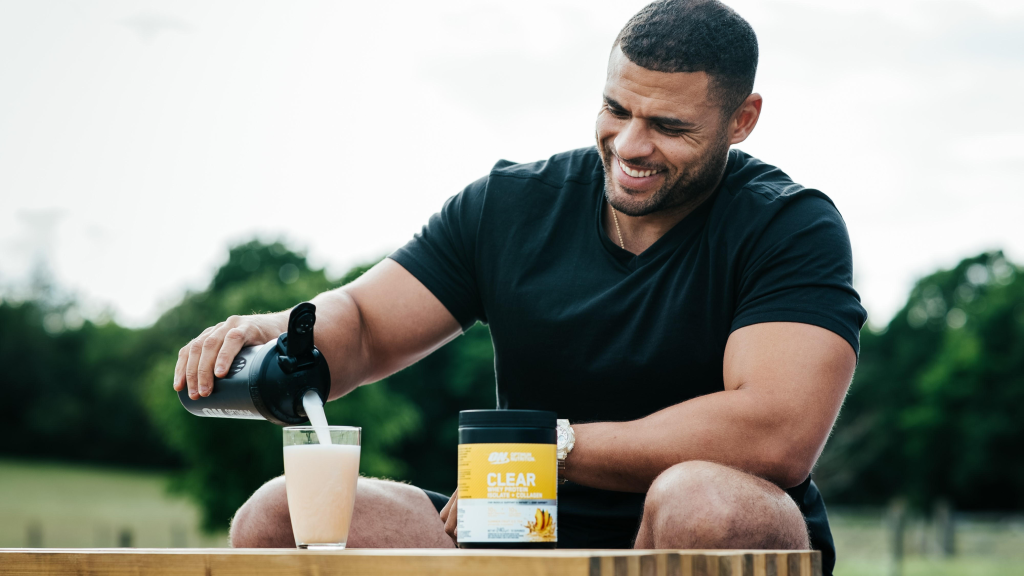
- LeBron James: Maintains peak performance through disciplined nutrition and regular hydration.
- Serena Williams: Focuses on nutrient-rich foods and hydration to sustain energy during matches and recover efficiently afterward.
- Weekend athletes: Even casual athletes following similar principles—balanced meals, hydration, and timed snacks—report improved endurance and fewer injuries.
These examples show that thoughtful nutrition isn’t just for professionals—it benefits all levels of activity.
Conclusion
Nutrition is the foundation of athletic performance. Carbohydrates, protein, healthy fats, proper hydration, and strategic meal timing together shape energy levels, recovery, and mental clarity. Observing how elite athletes structure their diets and adjusting strategies to your own routine can inspire meaningful improvements in performance, whether in competitive sports or everyday activity.
Are you paying enough attention to your nutrition? Even small adjustments before and after exercise can lead to noticeable improvements in energy and endurance.