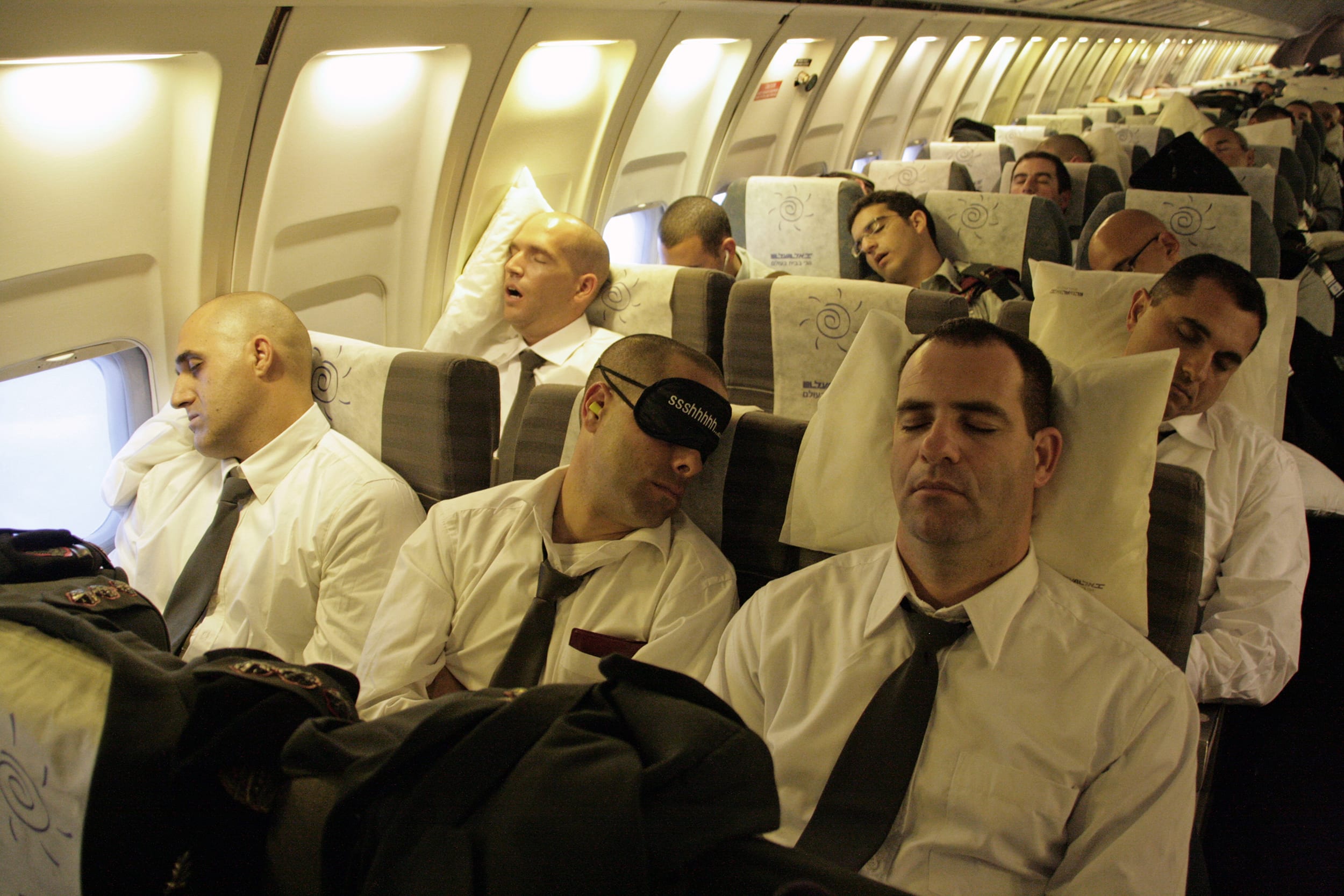
Long-haul flights often come with a reputation for being exhausting and uncomfortable. From cramped seats to relentless cabin noise, dry air, and jet lag, even the most seasoned travelers can find themselves mentally drained before landing. But the good news is that flying across continents doesn’t have to feel like a punishment. With a combination of preparation, smart gear, and simple in-flight strategies, you can make your next long flight significantly more manageable—maybe even enjoyable.
Preparing Before You Board
Choose Your Seat Wisely
Where you sit on a plane can dramatically affect your comfort. Exit row or bulkhead seats offer extra legroom, while seats in premium economy provide a little more space without breaking the bank. If you want to be strategic, apps like SeatGuru show seat width, recline options, and proximity to restrooms—information that can prevent unpleasant surprises.
Some travelers prefer aisle seats for easy access to the bathroom and the freedom to stand up and stretch, while others swear by window seats for uninterrupted naps, leaning against the wall to sleep.
Pack Smart and Light
A well-packed carry-on can be a game-changer. Essentials include:
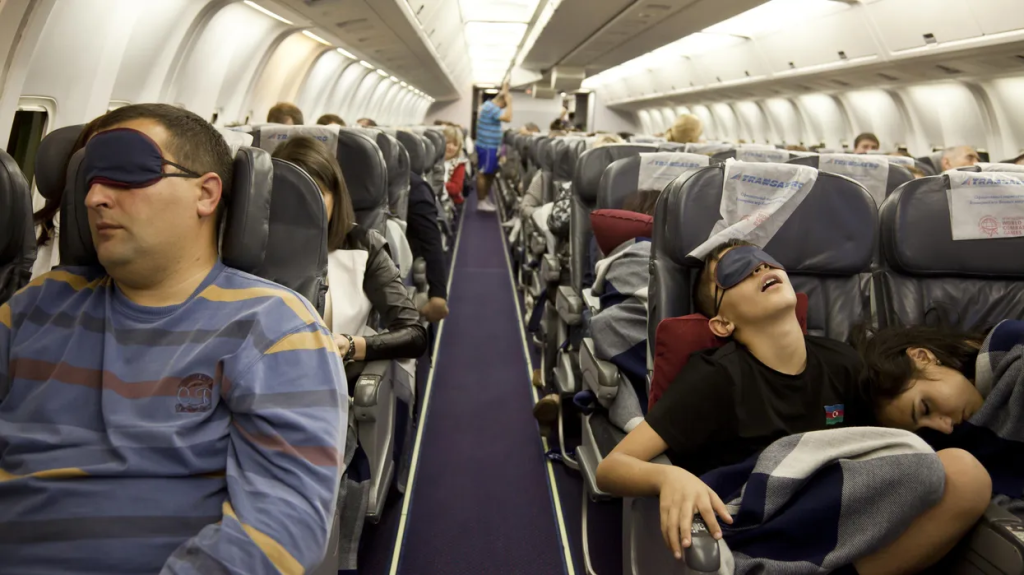
- Noise-cancelling headphones and eye mask for uninterrupted rest
- Neck pillow or inflatable lumbar support for spine comfort
- Snacks and water to avoid relying on airplane meals
- Change of clothes for freshness on arrival
Travelers often suggest packing small personal items like lip balm, hand cream, or eye drops. Even something as simple as a pair of slippers can make economy seats feel a little more like home.
Hydrate and Eat Strategically
Flying dehydrates your body, and caffeine or alcohol can make it worse. Fill a reusable water bottle before boarding and sip frequently. Eating a light meal before takeoff and avoiding heavy, greasy food helps prevent bloating and discomfort. Many frequent flyers also recommend eating a warm meal at the airport—it’s comforting and easier to digest than typical airplane food.
In-Flight Strategies for Comfort
Keep Moving
Even a few minutes of walking up and down the aisle every hour or two can prevent stiffness and improve circulation. Simple stretches at your seat—ankle rotations, shoulder rolls, and standing stretches—can make a noticeable difference.
Optimize Your Seat Space
Use pillows, rolled blankets, or small cushions to support your neck, back, or lower spine. For longer flights, some travelers bring inflatable footrests or “face rests” that allow you to nap on the tray table. It may sound extra, but small comfort tweaks often turn a tedious flight into a more pleasant experience.
Entertainment and Mindfulness
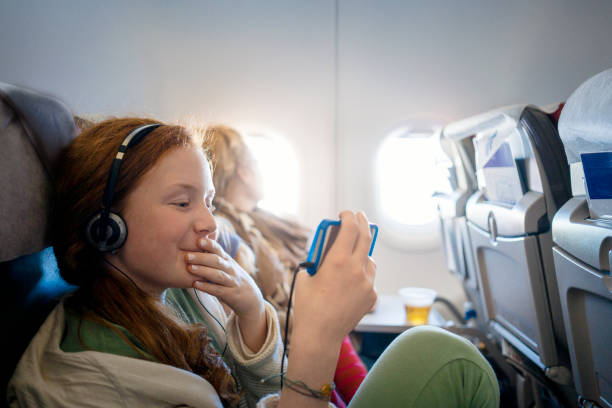
Before departure, download a selection of movies, TV shows, music, podcasts, or e-books. Pairing noise-cancelling headphones with an eye mask creates your own quiet sanctuary. Some travelers combine this with mindfulness exercises or meditation apps to manage stress and make time pass faster.
Even simple habits, like keeping a steady breathing rhythm or consciously relaxing your muscles, can significantly improve how your body responds to long periods of sitting.
The Right Gear Makes a Difference
Portable Chargers
Your devices are often your lifeline during long flights. Bring a high-capacity portable charger to avoid worrying about battery life when streaming movies, listening to podcasts, or working.
Compression Socks
Medical-grade compression socks help reduce leg swelling and prevent circulation-related issues during long flights. They’re especially important if you are prone to deep vein thrombosis or simply want to avoid “economy class leg fatigue.”
Small Comfort Accessories
Additional tools such as travel blankets, lumbar supports, or compact neck pillows can improve your comfort without taking up much luggage space. Many frequent flyers share tips online, comparing products that actually work versus gimmicks.
Temperature Management
Airplane cabins are notoriously chilly. Bring a lightweight fleece, scarf, or hat to stay warm, particularly over your abdomen and legs. Layering can help prevent cold-induced headaches and make it easier to relax.
Real Traveler Tips and Hacks
- Choose aisle seats for convenience if you anticipate frequent trips to the bathroom.
- Window seats can be ideal for uninterrupted sleep.
- Inflatable footrests or “face rests” can allow comfortable naps on the tray table.
- Slippers and loose footwear help ease swollen feet.
- Melatonin or sleep aids can help you adjust to time zones—used responsibly, they make long flights more bearable.
- Bring snacks and water, especially if you struggle with airplane food. A thermos of tea or coffee can also help.
- Portable entertainment devices, such as a Nintendo Switch or Kindle, make hours fly by.
Many frequent flyers also swear by strategic seat choice: booking the first row of economy for extra legroom, or selecting a row with fewer passengers for extra personal space. Even small details, like using an aisle seat in a row with three or four empty spots, can drastically improve comfort.
Nutrition and Hydration Hacks
Eating a balanced, warm meal before boarding prevents hunger and stomach discomfort mid-flight. Avoid heavy or greasy meals, which are harder to digest at high altitudes. Stay hydrated throughout the flight, sipping water steadily. Many travelers keep a small thermos or water bottle handy to reduce the need to call the flight attendant repeatedly.
Mental Tricks for Endurance
Sometimes, comfort isn’t just physical—it’s mental. Bring books, playlists, or podcasts you genuinely enjoy. Engaging your mind helps time pass faster, and preparing a flexible entertainment plan can prevent boredom. For some, using a combination of meditation apps, movies, and light gaming turns even the longest flights into productive or relaxing stretches of time.
Final Thoughts
Long-haul flights may never be as luxurious as a five-star hotel bed, but they don’t have to be miserable either. With thoughtful preparation, the right gear, and conscious in-flight habits, even a 14-hour journey can be tolerable—or even surprisingly comfortable.
Next time you book a flight, consider trying some of these tips. You might find yourself arriving refreshed, well-hydrated, and ready to enjoy your destination instead of counting down the minutes.
What’s your ultimate long-haul flight hack? Share your strategies in the comments—we could all use a few extra tricks to make flying a little more pleasant.